
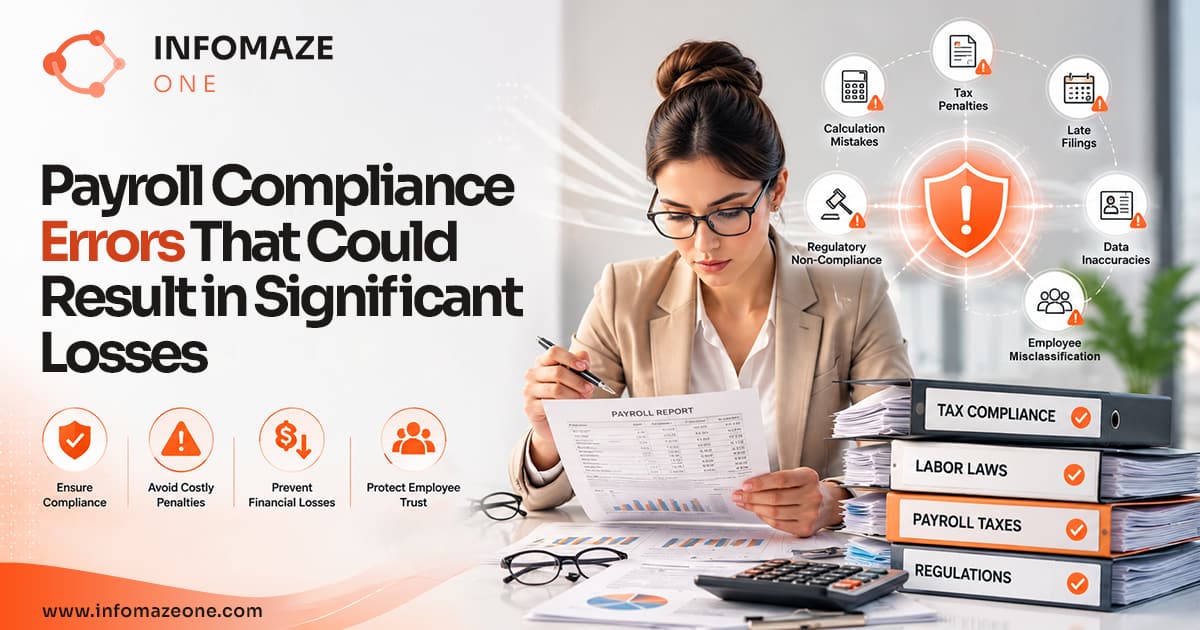
Payroll plays a Important role in every organization. Employees expect accurate and timely payments, while businesses must meet regulatory and tax obligations. The government also wants companies to follow the rules about taxes, labor laws and sending in reports. If there is a mistake it can cause a lot of problems. The company might have to pay a fine deal with issues and the employees might get upset. This can also hurt the company’s reputation.
When a company gets bigger, dealing with payroll becomes more complicated. The rules are always changing, tax laws are different in places and the company has to be careful about how it classifies its employees. If a company knows about the mistakes that can happen with payroll it can avoid getting in trouble and keep everything running smoothly. Mistakes can be a problem so it is important for companies to get payroll right.
Why Payroll Compliance Matters
Payroll compliance means following all the rules and laws about paying employees taking taxes out giving benefits keeping records and reporting. If businesses don’t follow these rules they can get audited, fined, have to pay back money and get into trouble.
Many companies struggle with payroll compliance because it involves multiple regulations, frequent legislative changes, and the management of sensitive employee data. If they don’t have proper systems, processes, and oversight, payroll compliance errors can occur, exposing businesses to financial and operational risks.
Common Payroll Compliance Errors Businesses Make
-
Employee Misclassification
One big mistake that companies make with payroll is when they say someone is a contractor when they are really an employee.
This can cause a lot of problems like not paying taxes, not giving benefits, not paying overtime and getting fines from the government.
The government really looks at how companies classify their workers especially when they use a lot of freelancers or contract workers.
Companies should check their employment agreements all the time to make sure they are classifying employees according to the labor rules that are in place now.
-
Incorrect Payroll Tax Calculations and Filings
Payroll taxes have rules and rates that can change. If you make a mistake with tax withholding or deductions it can cause problems.
Common issues with payroll taxes include:
- tax deductions
- Missing tax filing deadlines
- Not paying payroll taxes
- Errors in payroll tax information for employees
These payroll tax mistakes can add up over time before you even notice them and that can lead to big financial losses, with payroll taxes. It can really hurt you if you do not get them right.
-
Failure To Track Overtime Properly
Labor laws say employers must pay workers for extra hours worked. If companies do not track time correctly or do not understand overtime rules they can face wage claims and lawsuits.
Businesses should make sure they are paying workers for overtime hours. If they do not track time correctly they might have to pay money.
Organizations need to be careful when tracking work hours to avoid problems.
-
Missing Payroll Tax and Compliance Deadlines
Payroll has important dates to remember. These include tax deposits, required government forms, employee reports and compliance paperwork.
If you miss a deadline you might face:
- penalties
- Extra interest charges
- Official notices about compliance issues
- nvestigations by agencies
To avoid problems companies should create a clear payroll schedule and set up automatic reminders, for important submission dates.
-
Poor Record Keeping
Payroll records are really important because they help to show that you are doing things correctly when someone checks your work or when an employee has a problem. If your records are not complete or wrong it can be very hard to explain payroll decisions.
Some important things you should keep track
- Employee contracts
- Tax forms
- Payroll reports
- Attendance records
- Benefit deductions
- Salary revision history
Maintaining organized payroll records helps businesses demonstrate compliance, resolve disputes, and prepare for audits efficiently.
-
Manual Payroll Processing Errors
Experienced payroll teams can make errors when entering lots of employee information manually.
Common errors include:
- Incorrect salary figures
- Wrong bank account details
- Duplicate payments
- Missing deductions
All these mistakes can lead to issues, with compliance and employees getting upset.
The Financial Impact of Payroll Compliance Mistakes
The consequences of payroll errors extend beyond regulatory fines.
Businesses may experience:
- Employee turnover due to payment issues
- Reduced trust and morale
- Legal expenses from disputes
- Audit costs
- Administrative rework
- Damage to employer reputation
For growing organizations, repeated payroll compliance errors can divert valuable resources away from strategic business initiatives and growth opportunities.
How Businesses Can Reduce Payroll Risks
Implement Standardized Processes:
Clear payroll procedures help ensure consistency across all payroll activities. Standard operating procedures reduce confusion and make it easier to train new team members.
Conduct Regular Payroll Audits:
Periodic audits are really important because they help us to find mistakes before they become problems with the law. We need to look at payroll records and tax filings and how we classify our employees on a basis. This can really help reduce the risk of something going wrong.
Invest in Payroll Technology:
These days Modern Payroll systems do a lot of things on their own. They calculate, make reports and keep an eye on things to make sure everything is okay, with the rules. When payroll systems automate minimizes manual errors. This means payroll is more accurate and gets done faster. Payroll systems really help with this.
Stay Updated on Regulatory Changes:
Payroll regulations change frequently. Businesses must stay updated on laws and ensure their payroll practices meet current requirements.
Provide Staff Training:
Payroll teams must understand compliance obligations and reporting requirements. Ongoing training helps employees stay informed about changing regulations and industry best practices.
Why Many Businesses Choose Payroll Outsourcing
As payroll regulations become more complex, many organizations are turning to payroll outsourcing services to improve accuracy, reduce administrative workload, and strengthen compliance management.
Managing payroll on your own, can get really tough as your company grows. That is why a lot of companies decide to use payroll outsourcing services to get things right, follow the rules and make things run more smoothly.
Professional payroll providers bring specialized expertise, established processes, and dedicated resources. This helps cut down the chance of making mistakes with the rules. When you outsource payroll, the employee can focus on what your company does instead of spending time on payroll tasks.
Reliable payroll support services can assist with:
- Payroll processing
- Tax calculations and filings
- Employee record management
- Compliance reporting
- Regulatory updates
- Payroll documentation
By leveraging experienced payroll professionals, businesses can reduce administrative burdens while maintaining compliance with applicable regulations.
Choosing the Right Payroll Compliance Partner
When you are looking for a company to help you with payroll you should find a company that knows a lot about the industry, has strong data security, can grow with your company and helps you with compliance issues.
A good partner can help you with payroll and compliance problems and make sure your payroll is done correctly and quickly.
Infomaze One provides payroll services that help companies make payroll easier, reduce problems with compliance and make things run smoothly. With people who know what they are doing and a clear process companies can take care of payroll.
Compliance requirements are changing all the time. Because of this it is really important to have payroll support services that you can count on. Infomaze One offers payroll outsourcing services. These services help businesses make sure their payroll is accurate. They also help businesses meet their deadlines. They help reduce the chance of having to pay a lot of money because of compliance issues.
Conclusion
Payroll compliance is a big deal for any company. It is not about doing paperwork, it is about making sure everything is done correctly so the company has good financial stability, employees satisfaction. If a company makes a mistake, it can cost them a lot of money because of fines, lawsuits and problems with how the company runs.
To avoid these problems companies should put systems in place, check everything regularly, use good tools and work with people who know what they are doing when they need help. This way companies can reduce their risk. Make sure their payroll operation is doing everything correctly. For companies that want to make things easier and less stressful using a payroll outsourcing service can be an idea and save them money, which is helpful, in today’s complicated world.
Ready to automate your operations?
Book a free AI Audit — 60 minutes, no obligation, realistic ROI estimate.